
🚆 Getting Around Spain: What I’ve Learned After Years of Living Here

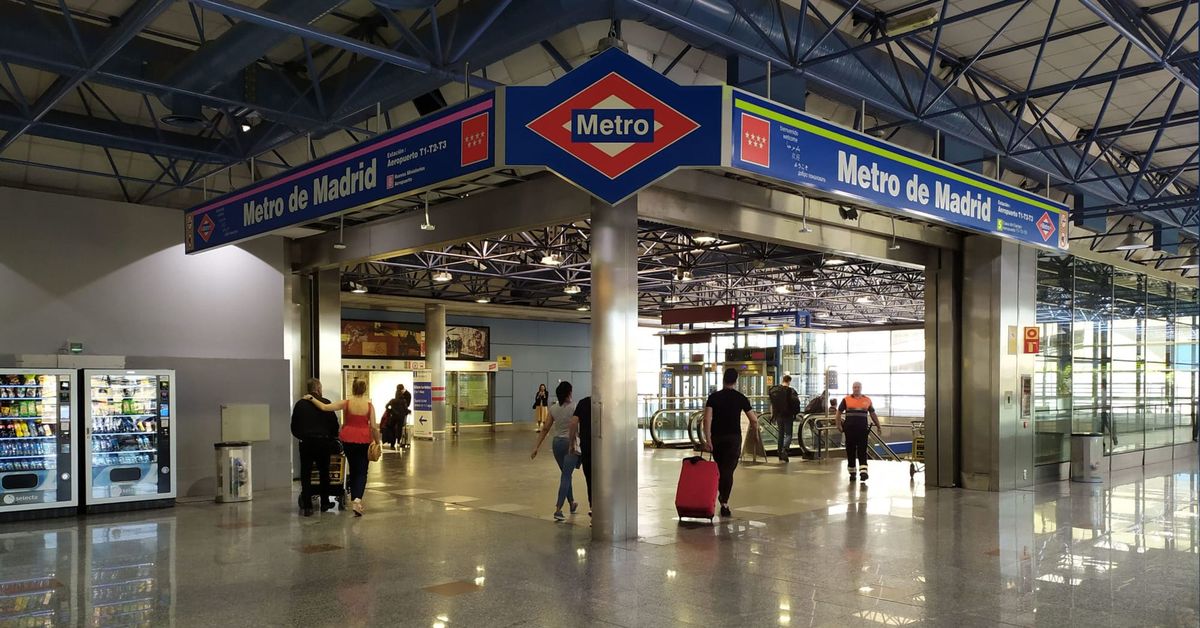
Spain has a reputation for sunshine, siestas, and stunning cities - but if you’re visiting or moving here, one of the first things you’ll need to figure out is how to get around. After years of living in Spain and trying everything from metros to propeller‑plane flights (yes… really), I’ve learned what’s worth your money, what to avoid, and how to travel confidently like a local.
Let’s break it all down - and at the end, I’ll walk you through exactly how to buy your Madrid Metro card the moment you land, so you don’t waste €30 on a taxi when the metro costs a fraction of that.
🚇 The Madrid Metro Card: Your Best Friend in the City
One of the first surprises for newcomers is that Madrid’s metro card also works on the city’s blue buses. Each trip counts as one journey, and if you don’t have a card yet, you can still tap your debit card directly on the bus reader.
To navigate all this easily, I strongly recommend using Citymapper. It shows every transport option, real‑time routes, and the fastest way to get anywhere in Spain’s major cities.
Buying & Topping Up in Other Cities
In places like Málaga, you can buy and top up your bus card at tobacconists - look for the yellow‑and‑burgundy Tabacos or Estanco sign.
🚕 Taxis, Uber, and Cabify
Taxis in Spain are reliable but can get expensive quickly. If you want predictable pricing, Uber and Cabify are usually better because you pay upfront and avoid surprises.
🚗 Long‑Distance Travel: Blablacar, Trains, and… Propeller Planes?
If you’re travelling between cities, you’ve got options:
Blablacar
A local favourite. Someone driving from Madrid to Valencia might offer seats to split fuel costs. It’s cheap, social, and surprisingly efficient.
Renfe Trains
Spain’s national rail network connects all major cities. Prices can be similar to flights, but deals do pop up - especially if you book early.
Internal Flights
Here’s where things got interesting for me.
I once flew from Madrid to Alicante on a tiny propeller plane. No jet engines. Just propellers and a whole lot of turbulence. If you’re sensitive to bumps (like me), check the aircraft type before booking. A quick trick: when choosing your seat, look at how many rows there are. If there are only a handful… brace yourself.
🚌 Buses: Surprisingly Simple
When I landed in Alicante, I took a bus to Benidorm and ended up rediscovering the joy of a full English breakfast while waiting for my connection to Calpe. Even outside Madrid, buses are straightforward, well‑signed, and easy to navigate.
🚘 My First Time Driving in Spain (Chaos Ensued)
I rented a car through Free2Move, which I actually recommend - it’s affordable (around €50/day), insurance is included, and you can set everything up on your phone. Remember that this is for Madrid only.
But here’s the confession:
I had never driven an automatic before.
So there I was, on the opposite side of the road, bunny‑hopping through Madrid because I was using both feet - one on the brake, one on the accelerator. Don’t do this. In an automatic, your left foot does absolutely nothing. Just rest it and use your right foot for everything.
Also, if you’re new to driving on the right, do not let your first attempt be in central Madrid. The roundabout at Banco de España alone nearly aged me ten years.
🛬 How to Buy Your Madrid Metro Card at the Airport
Here’s the step‑by‑step guide you came for:
- After landing, follow the Metro signs.
- Staff at the airport usually speak good English, so don’t hesitate to ask for help.
- When you reach the metro entrance, head down the escalator.
- You’ll see two queues:
- Left: for people who already have a card
- Straight ahead: for buying a new one
- Select English on the machine.
- Choose your destination - if unsure, select Zone A.
- Pick the number of travellers.
- Choose the option for 10 trips (great value and usable later).
- Pay and you’re done.
Taking the Bus Instead
If you prefer the bus:
- Instead of turning left toward the metro, turn right.
- Follow the corridor, pass the toilets, and exit through the doors.
- Cross the road to the bus stop.
- Look for Bus 200.
Going Back to the Airport
From Avenida de América:
- Go to Floor -2.
- Take Bus 200 straight to the airport.
🧳 A Few Helpful Travel Tools
These are items I genuinely wish I’d had during my early travel days in Spain - especially when juggling buses, metros, and tiny planes.
Perfect flight size, slips under the seat, and the anti‑theft pocket makes it… let’s just say… Barcelona‑ready.
One adapter for every socket in Spain, perfectly sized for flights, and ideal if you’re hopping between cities.
Packs down tiny and is the perfect size for flights. Comes with an eye mask and earplugs for a smoother journey.
✨ Final Thoughts
Spain has a way of rewarding anyone who’s willing to explore it. Once you understand how the transport works - the metros, the buses, the trains, even the chaotic first-time car rentals - the whole country opens up in a way that feels effortless. You stop stressing about the journey and start enjoying the moments in between: the quiet metro rides, the coastal buses, the unexpected breakfasts in new cities, the little adventures that happen simply because you said yes to moving.
If you’re travelling here soon, or you’re already living in Spain and still figuring things out, I hope this guide makes everything feel a little easier, a little lighter, and a lot more doable. And if it helps you avoid a €30 taxi when the metro costs €5, even better.
Most of all, I hope this gives you the confidence to keep exploring - because Spain is full of places worth discovering, and I’d love to help you uncover more of them.
Come back anytime. There’s always more to share.