What Living in Spain Taught Me About Identity and Integration


Moving to Spain wasn’t just a change of address. It reshaped how I see myself, how I relate to others, and what “belonging” actually means. Eight years in, I’ve realised that integration isn’t a checklist - it’s a slow, personal negotiation between who you were and who you’re becoming.
This is what Spain taught me about identity, culture, and finding my place.
🌍 Integration Isn’t Instant - It’s Accumulated in Small Moments
When you first arrive in a new country, you expect the big milestones to define your integration: paperwork, residency, bank accounts, renting a flat. But those are just logistics.
The real integration happens quietly:
- the first time you understand a joke in Spanish
- the first time someone mistakes you for a local
- the first time you navigate bureaucracy without help
- the first time you feel comfortable rather than aware
These moments don’t arrive in a straight line. They show up unexpectedly, usually when you’re not trying.
🗣️ Language Is Only Half the Story
People often assume integration = speaking the language fluently. And yes, language matters. But it’s not the whole picture.
What surprised me most was how much of integration is non‑verbal:
- understanding the rhythm of conversations
- recognising cultural humour
- reading body language
- knowing when to be formal and when to be relaxed
- adapting to the pace of life
You can memorise vocabulary, but you can’t memorise instinct. That only comes with time, exposure, and a willingness to get things wrong.
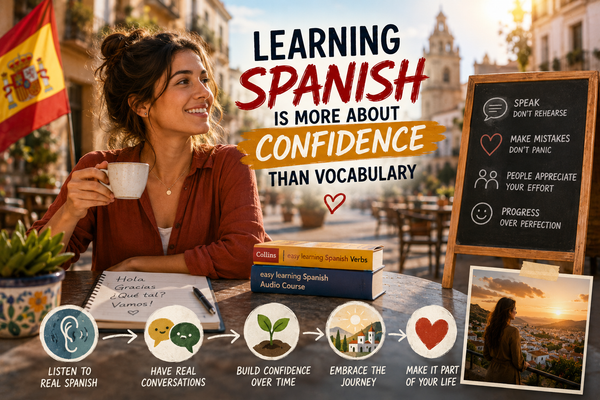
And honestly, sometimes all you need is a small confidence boost. I’d recommend a simple resource like the Easy Learning Spanish Dictionary: Achieve exam success in GCSE Spanish with Collins. It’s straightforward, accessible, and ideal for quick checks when you’re still finding your footing.
🧭 Identity Shifts When You Live Abroad Long Enough
Living abroad forces you to confront parts of yourself you didn’t know were negotiable.
You start asking questions like:
- Am I still “British” in the same way?
- What parts of my culture do I keep?
- What parts do I let go of?
- What parts evolve naturally?
Spain softened some edges and sharpened others. I became more patient, more open, more adaptable. I also became more aware of how culture shapes behaviour - not just mine, but everyone’s.
Identity becomes less about nationality and more about how you choose to live.
🥘 Integration Requires Respect - Not Reinvention
One of the biggest lessons I learned is that integration doesn’t mean erasing who you are. It means respecting where you are.
For me, that meant:
- learning Spanish even when it felt uncomfortable
- adapting to local customs
- embracing the food, the festivals, the social norms
- understanding the history and the regional differences
- accepting that I’m a guest, even if I’m here long‑term
You don’t need to become Spanish. You just need to show that you value Spain.
🏙️ Where You Live Shapes How You Integrate
Madrid and Valencia taught me very different things.
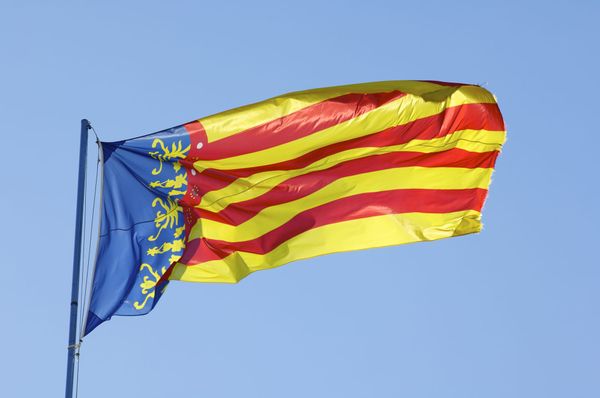
Madrid was fast, intense, and full of opportunity - but also isolating. Valencia, on the other hand, gave me space to breathe. It gave me community. It gave me a sense of belonging I didn’t realise I was missing.
Sometimes integration isn’t about effort. Sometimes it’s about environment.
Even something as simple as walking more changed how I connected with the city. If you want something to keep you motivated, the Google Fitbit Inspire 3 Activity Tracker is a solid option. It’s lightweight, has great battery life, and the daily readiness score is surprisingly helpful when you’re trying to build healthier habits in a new environment.
🧠 Belonging Comes From Participation, Not Perfection
You don’t integrate by doing everything right. You integrate by showing up.
- joining a football group
- talking to neighbours
- saying yes to social plans
- making mistakes in Spanish
- being part of the rhythm of the place
Belonging isn’t something you “achieve.” It’s something you practice.
🌱 Spain Didn’t Just Change My Life - It Changed My Perspective
Living abroad forces you to grow in ways you can’t predict. Spain taught me patience, humility, and the value of slowing down. It taught me that integration isn’t about fitting in perfectly, it’s about finding a version of yourself that feels at home in a new context.
Identity isn’t fixed. It evolves with the places you choose to call home.
And if there’s one thing I’ve learned, it’s this: you don’t wake up one day feeling integrated. You simply look around and realise you’re no longer observing life here; you’re living it.
That quiet shift, that sense of ease, that moment where the unfamiliar becomes familiar… that’s the real reward. And it stays with you long after the paperwork, the language mistakes, and the early uncertainties fade away.