Is It Rude to Speak Spanish in Valencia?

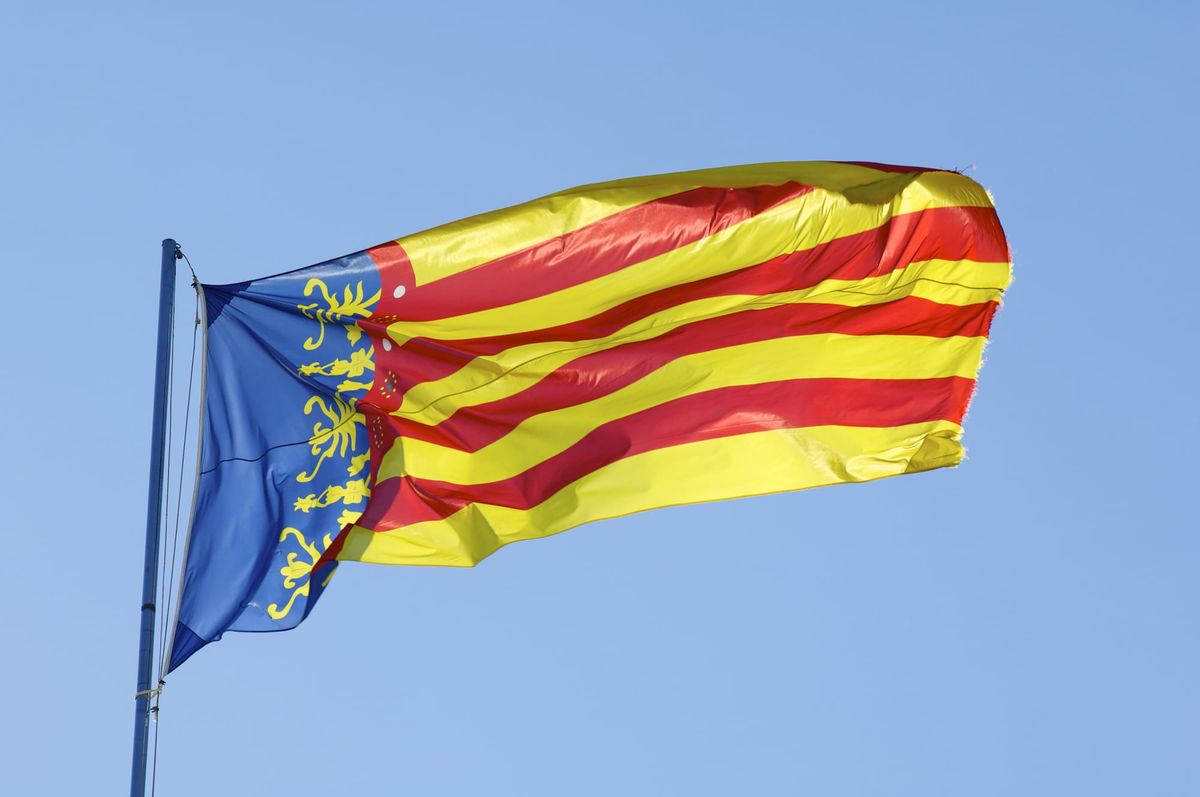
Valencia is one of those places where language isn’t just communication - it’s identity. And if you’ve ever wondered whether speaking Spanish (Castellano) here is rude, the answer is more layered than you might expect.
Let’s break it down clearly, respectfully, and with a bit of cultural nuance.
🌍 Spain Has More Than “Just Spanish”
When most people say Spanish, they mean Castellano, the most widely spoken language in Spain. But the country actually has five major languages, each with its own history and cultural weight:
- Castellano - what most of us call Spanish
- Galician - spoken in the northwest, closely related to Portuguese
- Basque (Euskera) - a linguistic mystery with no known relatives
- Aragonese - related to Occitan, spoken in pockets of Spain, Italy, and Monaco
- Valencian (Valencià) - the local language of the Valencian Community
And yes — Valencian and Catalan are linguistically the same language, even if politically and culturally the topic can get… lively.
If you’ve walked around Valencia, you’ve probably noticed something: street signs, metro announcements, and public documents often appear in Valencian first, not Spanish. It’s not an aesthetic choice - it’s cultural recognition.
🏙️ Valencian Isn’t a Dialect - It’s an Identity
Valencia is part of the Comunitat Valenciana, where both Castellano and Valencià are official languages. Many locals grow up speaking both, but Valencian carries deep emotional roots - it’s the language of grandparents, childhood memories, and local traditions.
That’s why some older Valencians may feel strongly about it. One of my Venezuelan friends once asked an elderly man for the time in Spanish, and the man scolded him for not speaking Valencian. Once my friend explained he wasn’t from Spain, the man immediately apologised.
Moments like this aren’t common - but they do reveal how protective some people are of their language.
🗣️ So… Is Speaking Spanish Rude?
Short answer: No. Absolutely not.
Spanish is spoken everywhere in Valencia. You can live your entire life here using only Spanish and never run into a problem.
But here’s the nuance:
- Speaking Spanish is normal
- Making even a tiny effort in Valencian is appreciated
- Ignoring the local language entirely can feel a bit… dismissive
Even learning a few words —
“Bon dia” instead of “Buenos días”
“Nano” instead of “Tío” can genuinely light people up. This isn't actually Valencian, but it is the term for friend here in Valencia.
If you want to pick up some basics, a simple phrasebook can help. Something like the Catalan–English / English–Catalan Dictionary & Phrasebook is perfect for learning everyday phrases that overlap heavily with Valencian and give you a feel for how the language sounds in real life.
🧭 Where Valencian Is Spoken Most
In central Valencia city, Spanish dominates daily life. But head into:
- Northern Alicante
- Rural parts of Valencia province
- Much of Castellón
…and you’ll hear Valencian far more often. In some villages, it’s the default language between locals.
Still, nobody is going to snatch your paella away for ordering in Spanish.
🔥 Language Here Is Cultural… and Sometimes Political
The Valencian-Catalan debate is famously spicy. Ask three locals whether Valencian is its own language or a variety of Catalan, and you’ll get five opinions — influenced by history, politics, football, and possibly wine.
But beneath the debate is something universal: pride.
Valencian isn’t just vocabulary. It’s festivals, music, family stories, and a sense of belonging. Acknowledging it - even imperfectly - is a small gesture that carries a lot of weight.
If you’re exploring the region, a compact guide like the Berlitz: Valencia Pocket Guide is a handy companion for understanding the cultural landscape as you travel.
❤️ The Real Answer
Speaking Spanish in Valencia isn’t rude.
But showing respect for Valencian culture?
That’s where the magic happens.
Even if you butcher the pronunciation, locals won’t laugh - they’ll appreciate the effort. Because what you’re really saying is:
“Your culture matters, and I want to understand it.”