Spain Beyond the Stereotypes: What Life Here Really Feels Like 🇪🇸
Discover the truth behind Spain’s biggest stereotypes - from siestas to tapas to festivals - and what life here really feels like.

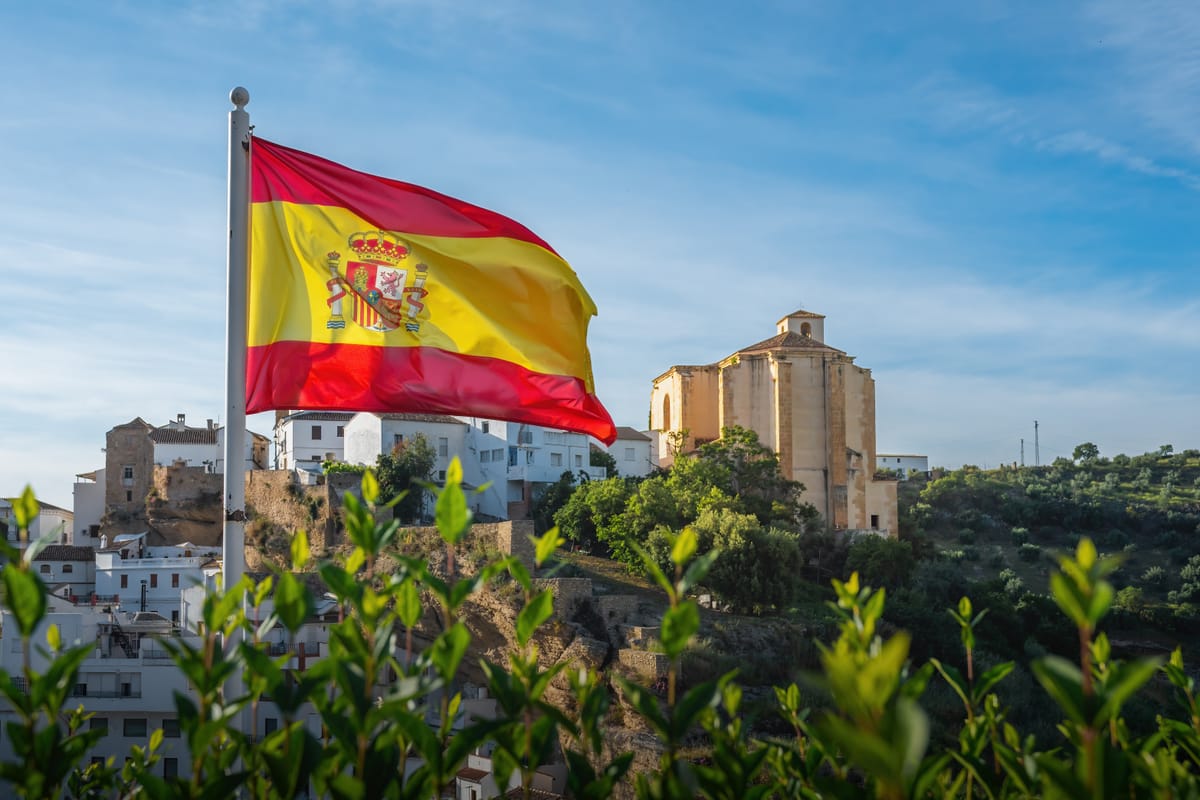
Spain has a reputation for sunshine, siestas, and endless sangria - but the reality is far richer, deeper, and far more interesting than the clichés. After living here, I’ve learned that many stereotypes contain a grain of truth… just not always in the way people expect.
Let’s break down the biggest ones, explore where they come from, and look at what they say about Spanish culture today.
The Siesta: More Than Just a Nap
If there’s one stereotype everyone knows, it’s the siesta. But calling it “a nap” doesn’t really capture what it means here.
The siesta is about slowing down, recharging, and living life on a more human schedule. Long lunches with family, a short rest during the hottest hours, and then heading back out refreshed - it’s balance, not laziness.
And honestly, after living in the UK, I can say this: we could learn a thing or two about chilling out.
Science even backs it up. A short 20‑minute nap can boost memory, focus, and creativity. The key word is short. Twenty minutes is perfect. Four hours? That’s just going back to bed.
Historically, siestas made perfect sense. Working through the brutal afternoon heat was miserable, so people paused and returned later. Some small towns still follow that rhythm today, closing shops in the afternoon. If you find everything shut, don’t panic - grab a shady spot, take a breath, and let your body thank you.
Helpful gear for siesta life:
A compact travel pillow makes quick rests surprisingly comfortable without taking up much space. If you wish to support me, please consider checking this product out.
Tapas: Not Snacks - A Way of Life
Tapas are one of the most iconic parts of Spanish culture, but calling them “snacks” misses the point entirely.
Tapas aren’t something you eat with the experience - they are the experience.
The word tapa literally means “lid.” Centuries ago, bartenders placed small plates over drinks to keep dust and flies out. Eventually, someone added food to the plate… and a whole culinary tradition was born.
But tapas have always been about more than food. They’re about connection.
In the UK, the drink is often the main event. In Spain, it’s the people. The drink is almost an afterthought. Groups wander from bar to bar, sharing conversation, sharing plates, and often choosing non‑alcoholic drinks because it’s not about getting drunk - it’s about being together.
Tapas culture changes from region to region, too. Eating your way across Spain is like taking a culinary road trip, from simple olives to elaborate creations that tell the story of each place.
Passion: The Heartbeat of Spanish Culture ❤️
People often say Spaniards are passionate - and they’re right. But it’s not about fiery tempers or dramatic arguments. It’s about how deeply people throw themselves into life.
You see it in conversations spilling into the streets, in cheers echoing from balconies during football matches, and in the emotion poured into festivals and traditions.
Flamenco and Beyond
Flamenco is the stereotype, but it’s only one piece of the puzzle. Born in Andalucía, it’s a powerful blend of music, dance, and raw emotion.
Travel north and you’ll find the jota, full of energy and storytelling. In Catalonia, the sardana symbolizes unity. In Galicia, traditional gaita music connects deeply with Celtic heritage.
Spain’s cultural map is far more diverse than most people realize.
The Latin American Connection
Centuries of shared - and often complicated - history mean Spain and Latin America are deeply connected. Music evolved across the Atlantic, blending Spanish influence with Indigenous, African, and local traditions.
Today, Spain is home to a huge Latin American community, and their music, dance, and celebrations actively shape the cultural scene. That fusion adds another layer to the passion you feel here.
All these traditions look different, but they share the same soul: living life intensely and expressing it openly.
Festivals: Where History and Joy Collide 🎉
If there’s one thing Spain does better than almost anywhere else, it’s celebrate.
Festivals here aren’t just events - they’re living traditions. I’ve lost count of how many times I’ve been out with friends and they’ve turned to me and said, “Do you know why we’re here today?” before launching into the history behind it.
A Few Highlights
- La Tomatina (Buñol): Tens of thousands throwing tomatoes in a chaotic, hilarious explosion of red.
- Las Fallas (Valencia): Towering monuments, fireworks, and flames welcoming spring.
- Feria de Abril (Seville): Horse parades, flamenco dresses, and dancing late into the night.
- Semana Santa: Solemn processions, candlelight, and centuries‑old rituals.
But the real magic isn’t the spectacle - it’s the sense of community. Families, friends, and entire towns come together to celebrate identity, history, and belonging.
Coming from the UK, I sometimes feel like we’ve lost that sense of collective celebration. Here, it’s alive and thriving.
Festival essential:
A durable Super Sparrow Water Bottle is a lifesaver during long days of walking, dancing, and exploring under the Spanish sun. If you wish to support me, please consider checking this product out.
Living the Culture, Not Just Watching It
Spain isn’t perfect - no country is - but in a time of uncertainty, I’m grateful to live somewhere that values connection, celebration, and being present.
If you ever find yourself here during a festival, don’t stand on the sidelines. Jump in. Dance. Eat. Laugh. Throw tomatoes. Live the moment.
Because in Spain, culture isn’t something you observe.
It’s something you feel.