Exploring Isla Margarita: Beauty, History, and Harsh Realities 🇻🇪

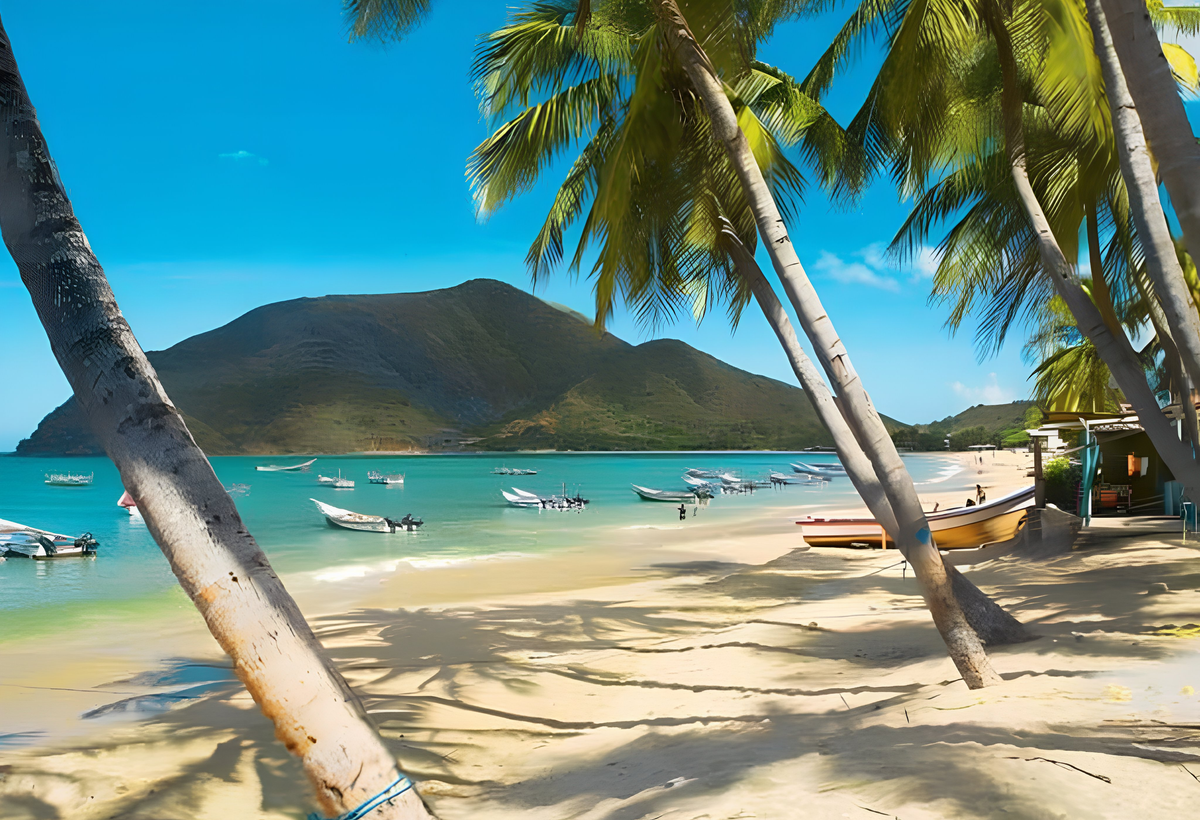
Venezuela had been on my mind for years - a place of staggering natural beauty, warm people, and unforgettable food. But it’s also a country facing real challenges, and I didn’t want to sugarcoat any part of my experience. This trip to Isla Margarita was equal parts breathtaking and eye‑opening, and I’m grateful I had the chance to see it with friends who know the island well.
Here’s how my first days unfolded.
A Quick Look at Venezuela’s Recent History
To understand the country today, you need a bit of context.
Hugo Chávez led Venezuela from 1999 until his death in 2013, combining popular social policies with severe economic mismanagement. After he passed away, Nicolás Maduro - his vice president - took over. Venezuela’s heavy reliance on oil meant that when global prices dropped, the economy collapsed. Mismanagement, corruption, and a lack of diversification only deepened the crisis.
Protests, accusations of unfair elections, and hyperinflation followed, widening the gap between rich and poor. It’s heartbreaking to see a country with so much potential struggle this much, especially when the people themselves are so welcoming.
Arriving in Caracas: A Nerve‑Racking Start
My trip took place in September, and at the time there were no direct flights from Madrid to Isla Margarita. I had to fly into Caracas first - a city I’d been warned about repeatedly.
A friend told me to avoid speaking to anyone in military uniform at the airport and to only ask elderly people for directions. Imagine stepping off a plane into a terminal full of armed soldiers and being told not to trust the ones with submachine guns.
Despite the warnings, everything went smoothly. People were polite, helpful, and respectful. The rule of thumb here seems to be simple: don’t act like an idiot, show respect, and speak whatever Spanish you can.
Day One: Empanadas, Tropical Views, and a Surprise Turtle 🐢
I woke up early, stepped onto the roof… and immediately locked myself out. While waiting to be rescued, I spotted a tiny turtle wandering around like he owned the place. A very wholesome start to the day.
My friend and I headed to a small beachside spot for homemade empanadas. Mine was enormous - stuffed with meat, cheese, plantain, and a few other things I couldn’t even identify. Absolutely delicious.
Just a quick note: the humidity here is no joke - but honestly, the sun is even more brutal. If you’re planning to swim or spend long hours outside, you need something that keeps you cool and stops you from burning. A regular T‑shirt won’t cut it.
I used something similar to this Roadbox Men’s Sun Protection Swim Hoodie - lightweight, UPF‑rated, and perfect for jumping in and out of the water without frying your skin.
It’s breathable, dries quickly, and gives you proper coverage when the sun is at its strongest. Exactly what you want in this kind of heat.
You'd also be supporting me by using this link ;)
Exploring the Coast: Cannons, Birds, and Hidden Beaches
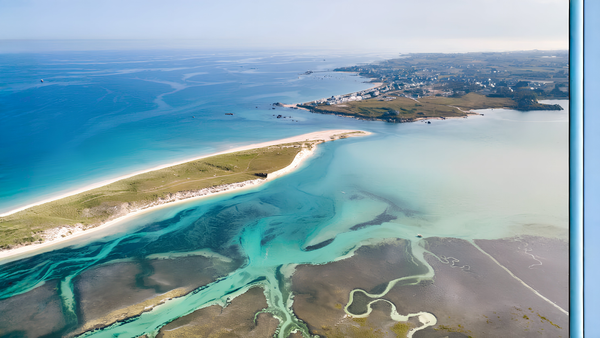
We drove up the coast to a viewpoint overlooking the sea - turquoise water, fishing boats, and original cannons still pointing toward the bay. You can almost imagine ships approaching centuries ago.
The fishermen still work these waters today. You can tell where the fish are by the sheer number of birds circling overhead. I even saw wild vultures for the first time - huge, intimidating, and absolutely fascinating.
Playa Escondida: The Hidden Beach
Next was Playa Escondida, a secluded little cove whose name literally means “Hidden Beach.” I didn’t have the right gear to swim, but I dipped my hand into the Caribbean Sea for the first time on this trip - and it certainly wouldn't be the last.
If you’re planning to swim or snorkel here, a simple pair of water shoes is a lifesaver. Something like the SIMARI Water Shoes works perfectly on rocky or uneven beaches.
Faro de la Puntilla: Salt Flats and Endless Views
We continued to the lighthouse known as Faro de la Puntilla (or Whale Point Lighthouse). On one side: the sea. On the other: bright white salt flats where workers collect and refine salt.
From the top, you can even see the Venezuelan mainland in the distance.
Nearby, a signpost shows distances to cities around the world - London, Cádiz, and more. A small but charming detail.
Castillo San Carlos de Borromeo
In Pampatar, we visited Castillo San Carlos de Borromeo, a 17th‑century Spanish fortress built to defend against pirates. Its thick walls and sweeping views of the Caribbean make it one of the island’s most impressive historical sites.
Coconuts, Mangoes, and a Colourful Town Square 🥥
We stopped at a coconut stand for an ice‑cold drink - exactly what I needed in the tropical heat. Later, a woman selling mangoes on the roadside sold us a whole bag for just $2.
In the town square of Paraguachí, the buildings are painted in bright, cheerful colours. The island was originally named “Nueva Cádiz” by the Spanish, and you can still see traces of that colonial history everywhere.
A Museum Dedicated to the Virgin Mary
Venezuela is a deeply Catholic country, and we visited a museum dedicated to the Virgin Mary. A local woman guided us through the artwork, including the “Margariteñas” - stylised, exaggerated depictions of local women and are an important part of the island’s artistic identity.
Castles, Fried Chicken, and a Banking Mistake
We passed several old Spanish fortifications around the island - many now closed, but still beautiful reminders of its past.
Dinner that night was simple: fried chicken from a food cart. And honestly? It was incredible.
One important tip: Revolut does NOT work in Venezuela.
I learned this the hard way. Thankfully my friend helped me out, but make sure your bank card is supported before you travel.
Day Two: More Food, More Beaches, More Heat
Breakfast was pastelitos and empanadas - Venezuelan food is dangerously good. Strangely, despite eating like a king, I actually lost weight on this trip. I blame the brutal heat.
Playa Manzanillo
Our first beach of the day was Manzanillo, on the northern side of the island. The waves here are huge - the kind that knock you over if you’re not paying attention.
A lightweight microfiber towel is absolutely essential here - not just because you’re beach‑hopping constantly, but because anything cotton stays wet forever in this humidity. You want something that dries fast, packs tiny, and doesn’t weigh you down. I used one similar to this Fit‑Flip Microfibre Travel Towel, which was perfect for throwing in my bag and using between beaches.
It dries ridiculously quickly, doesn’t hold onto sand, and folds down so small you barely notice it’s there. Exactly what you want when you’re moving around all day in this heat.
Despite the beauty, it was sad to see how few tourists were around. Locals would wave us down, asking us to eat at their restaurants or use their beach chairs. They need the income, and the lack of visitors is tough on them.
Viewpoints, Abandoned Golf Courses, and More Turquoise Water
We stopped at several viewpoints, including Punta Constanza and the area overlooking Hotel Hesperia. The hotel’s old golf course is abandoned now - dry, brown, and overgrown. A reminder of how much the island has lost economically.
But the coastline? Still jaw‑dropping.
Faro de la Galera and a Peaceful Lunch
At Fortín de la Galera, the views stretch in every direction. For lunch, we ate at Terasa Bayside - fresh fish, soup, and papelón (sugar cane juice). Simple, refreshing, perfect.
A Local Church and a Unique Tradition
In the afternoon we visited a church where the statue of Mary gets a new dress every year. Locals donate fabrics and garments to create the new outfit - a beautiful tradition that shows how deeply connected the community is to their faith.
Sunset With Friends
We ended the day visiting some friends who had been out fishing. The sun sets around 6 p.m. year‑round here, which feels strange when you’re used to European summers.
And that wrapped up my first full days on Isla Margarita - a place of contrasts, beauty, and resilience. If this blog ends up getting plenty of views because you’ve shared it with your friends, then I’ll happily put together the next part of the journey. Let’s see how far this one goes!